Sunday, October 21, 2012

The Most Misunderstood Myths in the Gym

Myth 2) High repetitions will burn more fat aka. The pink dumbbell theory
A scientifically proven fact is that intense weight training (lifting heavy weights during exercises that recruit multiple muscles simultaneously) helps to increase post-training epinephrine (the hormone known as adrenaline which increases metabolic rate, heart rate, respiratory rate, glycogenolysis and lipolysis - the burning of fat)

One of the most common mistakes I see in the gym is the aimless workout. People see one another doing exercises they've seen on tv, in a movie or in a magazine (or worse still some huge body builder) and then copy them without stopping to think about what they're actually doing. The most common exercise - the bicep curl. This exercise is like the poster-boy of resistance training. The bicep curl trains one group of muscles: the biceps. It is known as an isolation exercise.

An isolation exercise is characterised by the movement of one joint or one muscle group. They use lighter weights and generally move the weights over a shorter distance. Some examples of isolation exercises are bicep curls, tricep extensions, leg curls, leg extensions, lateral raises and pec flys.

You can achieve the same muscle contraction by a wide range of other exercises, the difference being that these exercises recruit several muscle groups simultaneously, not only do they get more done in a shorter time but they will dramatically increase the release of hormones in your body. These are known as compound exercises.

A compound exercise is characterised by the movement of two or more joints and involves more than one muscle group. Some examples of compound exercises are squats, bench press, lat pull down, seated row, Russian dead lifts, shoulder presses, lunges, pull ups and the clean and jerk.

Not only do compound exercises burn more fat while you're doing them, but they are much more effective in releasing the hormones that promote muscle growth and fat burning well after your workout is over.

Compound exercises should always be performed at the beginning of a workout (with the exception of pre-exhaustion training: an advanced approach that should be used sparingly) while isolation exercises should be trained towards the end of the workout, and then only when there is a specific need. In the case of the biceps; once the back has has been trained to exhaustion only then should the biceps be trained in isolation. There are exceptions to this concept but for 90% of the population it applies 99% of the time.

This post assumes that women in the weights room want to become more lean, toned and trim off fat. If you are trying to put on bulk, rehabilitate an injury, train for a specific sport/activity, get bigger biceps, triceps, calves or any other specific muscle, or are training for any other reason other than the ones mentioned here then may want to consider alternative approaches to training. This is intended to apply to the average gym-goer wanting to trim and tone. With this in mind: the vast majority of women in the gym should be doing exercises like bicep curls extremely sparingly, if at all.

Change Your Thinking in the Gym and the Kitchen

Weightlifting is not about getting an object from point A to point B in the easiest way possible, although watching many people in the gym you might be forgiven for thinking that. Some people will do anything to get out that last repetition  twisting, grunting and contorting their bodies.

Resistance training is a much more fitting term to describe this type of activity. Our goal is to contract specific muscles, through a particular movement pattern with resistance. You don't need a university degree or trainer's qualification to get a basic understanding of the human body. With a basic understanding of our bodies, we can more effectively train our muscles to maximise the benefits of training in the gym and help to reduce injury.

If you put your feet on the bench or in the air when you do bench presses: ask yourself why. In the right situation there is a legitimate reason for it, do you know what it is? If you're going to spend hundreds of hours every year doing something, make sure you're doing it correctly. Google it.

Nutrition should not be about what not to eat, but rather what to eat and why. Once we start thinking about our food in terms of positive nutritional values, it becomes much simpler to plan our meals and to put together a healthy diet for ourselves; as opposed to blindly following diet fads and unfounded advice.

Diet soft drinks are low in carbohydrates, but they have no positive nutritional value either - not to mention the potentially harmful long-term effects of artificial sweeteners etc. Water is always the best choice for hydration. If you really must have some flavor, drink small quantities of fresh fruit juices or add a squeeze of lemon/lime to your water. Ultimately though, drink water. Lots of it.

A salad can often be low in carbohydrates and fat (as long as you skip the mcdressing and croutons) but it's also usually low in protein. Protein is an essential component in the building and repair of muscle tissue and your body can only effectively process protein in the presence of carbohydrates. Salads that are predominantly leafy green vegetables do not even have particularly high levels of vitamins and minerals. Quite often a "healthy" salad is about as healthy as a cardboard box. Choose a salad with lots of chicken or tuna (both excellent sources of protein), complimented with a healthy serving of nuts (packed with protein, essential fats and just enough carbohydrate to help it all be absorbed).

Saturday, October 20, 2012

The Biggest Myths and Mistakes in the Gym

Myth 1) Toning / Spot Reduction
The concept of toning in itself is a myth. Simple.

A toned physique is a combination of two factors: increase in muscle mass and a reduction of fat. Muscle has a much higher density (and weight) than fat and as such - is more defined in its shape. The more muscle you have the more shapely and well defined your body shape will be, and the less fat that covers that muscle the more this will show.

Put simply; get more muscle and burn fat; look 'toned'. By encouraging muscle growth through resistance training we can determine where we will increase our muscle mass. Unfortunately we can't decide where we lose our fat. Where the fat is stored or burned first is predetermined by hormones, genetics, sex and age. Generally speaking men tend to retain more fat around their stomach while women tend to store more fat around their hips and thighs. The only one of these factors we can affect is our hormones. High intensity resistance training increases the body's production of epinephrine while prolonged endurance training (cardio) produces more cortisol- the hormone which encourages the body to store fat. More on these hormones later.

Increasing your lean muscle mass will increase you basal metabolic rate (BMR) which means that your body will consume more energy while doing everything, including doing nothing at all.

With the exception of rehabilitation and introducing movement patterns, lifting light weights is a complete waste of time. If you can lift a weight for more than 15 repetitions then the weight is too light and needs to be increased. It doesn't matter who you are or what your goals are, this means YOU.

Friday, October 19, 2012

Muscle Activation and Neuro-Muscular Pathways

Part of a good warm up should encourage your muscles to contract effectively and to promote a healthy and efficient movement pattern. Jumping straight in to your routine can sacrifice potential performance, risk injury and be detrimental to your movement patterns and posture.

A prime example is the lat pull down. Most people new to resistance training will (and should) include this exercise in their program. When executed correctly it can improve posture, improve your core strength and help balance out many of the detrimental every day activities that just about all of us participate in far too often such as driving, using computers and sitting in general.

While the pectoralis muscles play a part in this exercise, these are usually over trained and chronically shortened in the average gym user. Without actively contracting the muscles of the upper back, these already dominant muscles will take over the movement and exacerbate weaknesses in the posterior chain muscles by pulling the shoulders forward. You can help reduce the role these opposing muscles play in the exercise by performing static stretches before and in between each set (assuming you are not going to be actively training these muscles on that same day). That is to say perform static stretches on your pectoral muscles: not your lats.

Many novices (and many more experienced lifters) I have seen in the gym have difficulty recruiting the muscles in their upper back that will draw their shoulders down and back: the rhomboids and lats. when shown correct movement patterns they are physically incapable of recruiting these muscles. This can be seen as the shoulders are elevated and forward, the elbows are in front of the body and the chin is slightly tucked.

This is partly due to physical weakness as well as a lack of neuro-muscular connectivity. simply put, through lack of use, our brains do not have the neuro-muscular pathways to activate those particular muscles that help keep the chest lifted, the shoulders down and the shoulder blades retracted.

The easiest way to initiate this activation is to set yourself up on the lat pull down machine, grasping the bar with a wide overhand grip. tightening the core and ensuring that your body does not move whatsoever. The idea is to pull the bar down as far as possible without bending your elbows. It helps if you focus on pulling your shoulders down and back, your shoulder blades together, keeping your chest lifted all while maintaining as much distance between your ears and your shoulders as possible. You can facillitate the recruitment of these muscles by having someone touch physically them. If you have someone else place their fingers inside your shoulder blades and gently (as though testing for a ripe avacado) pull them together, it can assist in developing the neuro-muscular pathways as your nerve endings send signals to the brain saying "hey, something's going on over here" to which your brain can reply "oh..... those muscles need to contract".

The exact same process can be carried out executing a seated row. Once again being sure to tighten the core and keeping the elbows locked- move the back backwards by retracting the shoulders and shoulder blades instead of pulling with the biceps.

Using wrist straps can help to relax the tension in the arms and focus more on the shoulders and back. In general, it is important not to become reliant on using lifting straps as they will greatly compromise your grip strength in the long run.

Muscular activation can be applied to many exercises in the gym (eg. hamstring curls, glute bridging and GHD extensions), ensuring you are recruiting all of the important muscles in any lift will help keep you safe and strong. The Rhomboids are simply the most common muscle to be underdeveloped and underused in the average gym user.

Stretching and The Dynamic Warm Up

The first and arguably the most common of sins in the gym is a combination of three things: the static warm up, the non-specific warm up or the absence of a warm up altogether.

Many people find warming up boring, tiring or possibly don't see the value in it. They'd prefer to get straight over to the bench press and start pushing around the big plates. It's one of the most satisfying and rewarding things to do in the gym and many of us want to get straight to it. Naturally.

A warm-up is any practice designed to prepare the body for physical activity. In a fitness center environment: it usually consists of running, cycling, rowing or an elliptical machine. The activity raises the core body temperature along with the resting heart rate.

Static stretching is used to stretch muscles while the body is at rest. Various techniques are used to elongate the muscles in a static position, that position is held anywhere from 30 seconds to two minutes.

Dynamic stretching is a form of stretching based on movement. It is designed to safely prepare the muscle for movement- comparable to an individuals passive stretching capacity. It is important to differentiate dynamic stretching from ballistic stretching which is a forceful, violent form of stretching (simply put 'bouncing') to take muscles beyond their passive stretching capacity - which should be avoided.

You can frequently see more experienced gym members holding a quad or shoulder stretch for a few seconds before their sets. For a long time it has been thought that static stretching before exercise will help prevent injury.

More recently however, various independent studies have been carried out that show a marked decrease in strength and performance where static stretching was performed preceding physical activity. Rod Pope's study showed no evidence to suggest static stretching made any difference to the rate of injury in the participants in his study. In short, static stretching will not only not prevent injury but will also reduce your performance in the gym and ultimately your gains.

Studies have shown a dynamic warm up to increase strength, performance, balance and flexibility. In terms of injury prevention it is far superior in that it increases flexibility while positively affecting performance.

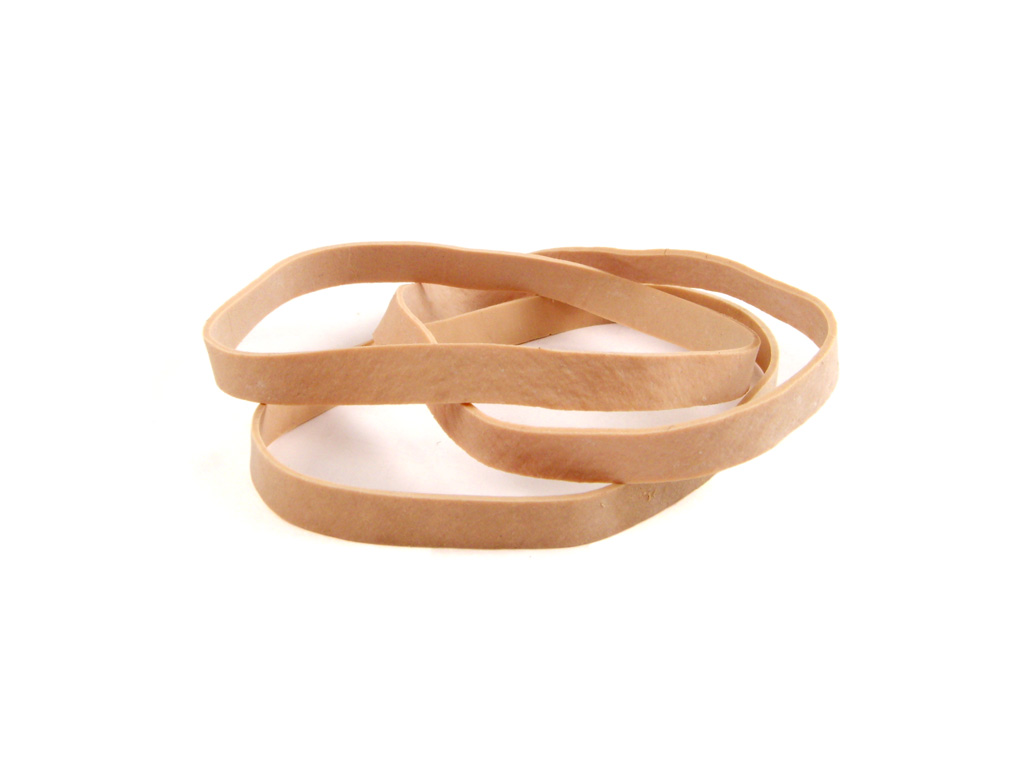
A muscle is like a rubber band in that if force is suddenly applied to it when cold it will become damaged and even break whereas when warm it will be able to withstand a significantly larger force and still return to its original size and shape. Unlike a rubber band, our muscles can recover from a small amount of damage and repair themselves becoming stronger, larger and leaner.

It is important that a warm-up is specific. For example: running on a treadmill and walking lunges is not an ideal warm up for a workout largely based around a bench press. A Dynamic Warm Up should target the muscles involved in the day's workout.

An excellent exercise to prepare for a bench press is the overhead dowl stretch. Holding on to a dowel (broomstick) in front of the body with an overhand grip approximiately double shoulder width apart. Keeping the arms straight and the elbows locked, the dowel is then slowly raised overhead and brought as far back as possible (touching your butt if possible). If this feel too easy then the grip is brought closer together, if this feels too tight or difficult to perform safely the grip can be brought out wider until the movement can be completed with only very minor discomfort.

Core Performance has an extensive database of exercises that can be performed, with excellent descriptions and demonstration videos as well as a wealth of information on health, fitness and nutrition in general.

Thursday, September 18, 2008

Practice What You Preach

And what I should be preaching is preacher curls.

Nope.

On a side note: the industry tells trainers that doing isolated exercises like bicep curls is not good. It's a waste of time and not a functional movement. You should be working on your biceps by doing compound exercises like seated rows or chin-ups. This is what I have started doing lately and it seems to be working well for me.

For one reason or another I have a mild shoulder injury at the moment; thus limiting me from doing movements that will pull on my shoulder or raise my arms above shoulder level while bearing weight. Cool. No Worries, I'll be ok in no time.

But I don't want to totally neglect my training so I got back into the curls for a little while.

Pow. Too much weight doing a barbell curl and I have a severely painful back injury. I am not 100% how severe but a few opinions and a little movement exploration tell me that with ice and rest I should be ok in a few weeks.

Fantastic. Should I start an injury scoreboard? The CURRENT totals are:

1) Tibia fracture with lateral meniscus damage
- under investigation by orthapedic surgeon; surgery a high possibility.
2) Rotator cuff/pectoralis minor tear
- light rotator cuff exercises diagnosed
3) Intercostal(?) partial tear
- Minimum 2 weeks off heavy lifting and sleep deprivation due to pain. It hurts to breathe.

Awesome!

Your Body Mass Index indicates that you are overweight.

One of my assignments asked me to analyse someone's body mass index based on their statistics so I thought I'd enter my stats into CalorieKing while I was there and:

"Based on your BMI, you are overweight and should aim to reduce your weight to between 69 and 91 kg.
"

(I am sitting between 92 and 93kg)

Losing this amount of weight will not only affect your appearance but also decreases your chances of developing many major health risks.

This alone leads me to question the BMI scale. I suppose it is designed for more sedentry people and doesn't account for me being jacked. Does it?

Saturday, September 13, 2008

Going Green

I have always dismissed tea in general, let alone a tree-hugging hippie drink like green tea. I mean just look at the name; it strikes you as a hippie drink instantly with a word like Green in it.

Damn hippies.

Getting into the fitness industry I quickly noticed green tea was pretty popular among the die-hards. I even started to notice green tea caps and various supplements containing green tea extracts. What's that all about? Since when are beefed bodybuilders hanging out with strung out hippies?

This led me to investigate the benefits of green tea:

Tannins - A group of simple and complex phenol, polyphenol, and flavonoid compounds. Produced by plants, all of the tannins are relatively resistant to digestion or fermentation. All tannins act as astringents, shrinking tissues and contracting structural proteins in the skin and mucosa.

What do Tannins do exactly?

Having a cup of green tea after a meal can aid in digestion. Green tea has been used for thousand of years in Asia as a digestive.

Catechins - Catechins are a category of polyphenols. In green tea, catechins are present in significant quantities, more specifically; epicatechin (EC), epigallocatechin (EGC), epicatechin gallate (ECG) and epigallocatechin gallate (EGCG). EGCG makes up about 10-50% of the total catechin content and appears to be the most powerful of the catechins - with antioxidant activity about 25-100 times more potent than vitamins C and E.

A cup of green tea may provide 10-40mg of polyphenols and has antioxidant activity greater than a serving of broccoli, spinach, carrots or strawberries.

Meaning?

Well having a powerful anti-oxidant coursing through your system after a heavy workout is just what you need to reduce free radical damage. Free radicals, to the layman, are nasty little suckers that tear cells apart as they float around... freely.

Flavonoids - Flavonoids are plant pigments, and are the brightly colored chemical constituents found in most fresh fruits and vegetables. They may aid in protecting against infection. Deficiency can result in a tendency to bruise easily. Learn more about flavonoids, click here!

Which will do what exactly?

Obviously your workouts will suffer if you are sick. Cough cough means no buff.

Theanine - An amino acid that produces tranquilizing effects in the brain, theanine is a unique amino acid found in the leaves sencha. Theanine is quite different from the polyphenol and catechin antioxidants for which green tea is typically consumed.

What Does This Do For You?
Give it a try, you feel pretty good after a couple of cups of green tea, and you don't even feel like lighting up afterwards either. It leaves you with a peaceful feeling without compromising motivation and mental activity. Try saying that after a joint or two.

Bodybuilding & Fitness Uses

Pre-workout - Green tea is a great alternative to the ECA stack. Ephedrine, caffeine and aspirin is 'the shit' in the body building world. But give that a shot and you feel like crap. You feel like you should probably lay off the whipper for a while you great jittery mess.

ECA makes you irritable, slightly depressed later on and a bit angry. The green tea is great because it does have some caffeine and the Theanine really relaxes you mentally but lets you perform physically.

Cutting up- Supplementing with green tea can raise your resting metabolic rate by 3%. In order to get this benefit you must have about about 3 glasses a day. If you have a bmr (basal metabolic rate) of 2000 or so that means 60 extra calories a day. Bruce Lee was pretty ripped yeah? Its not the kung-fu. It's the green tea!

All About Tea

Most tea comes from the same place. The tea plant is a member of the Camellia family (Camellia sinensis). Black tea, oolong tea, and green tea are all derivatives of this one plant.

It is the way the tea is prepared that determines its color. After the tea plant is picked it is fermented and then heated to stop the fermentation process. This fermentation process is responsible for the caffeine content of the tea. The longer it is fermented the more caffeine the tea will have. It is for this reason that green tea has its colour and low caffein content. The reason why green tea has the most health benefits is because a longer fermentation process destroys many of the beneficial substances in the tea plant. That is why knocking back bags and bags of your Lipton tea is not even remotely comparable to having a cup of green tea.

Qualities Of Tea

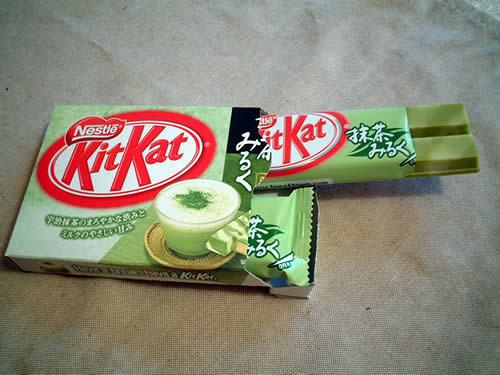
From what I have heard there is a big difference in the quality of tea. Tea you get in bags from the supermarket has had the crap blasted out of it and very little of the nutritional benefits remain. And I have my doubts about the latest Nestle product on the market. Apparently the best is to get whole leaf tea from your crazy little herbalist type places. So far I am still on the dried supermarket variety- but I am drinking it in the loose leaf variety rather than bags. So I am heading in the right direction going green.

Thursday, September 11, 2008

The Stack

I did the stack. 7 reps at 102.5 kgs. Let's see how many PBs I can rack up over the next two months... Pity I am sporting a small shoulder injury; making chin ups and shoulder presses impossible.

Tuesday, September 9, 2008

Will the Real Blog Reader Please Stand Up?

If you're reading this your name is most likely Aly McPhee. If not, what's the story there??

So I haven't really been doing this blog as per the plan. I have not been taking before photos in preparation for the after shots. The whole concept is a little much and too hard to organise. If I were to do this properly I should have taken some measurements and that kind of thing as well. Ah well.

I can say that I am getting ready to breach the 92kg mark (that's a little over 200lbs for you North Americans) and my body fat % is a solid 15%.

I had my knee looked at and I need to get another MRI and see the surgeon again. Going under the knife again is a very real possibility. This could pose problems for me keeping up on the jacked track.