
Resistance training is a much more fitting term to describe this type of activity. Our goal is to contract specific muscles, through a particular movement pattern with resistance. You don't need a university degree or trainer's qualification to get a basic understanding of the human body. With a basic understanding of our bodies, we can more effectively train our muscles to maximise the benefits of training in the gym and help to reduce injury.
If you put your feet on the bench or in the air when you do bench presses: ask yourself why. In the right situation there is a legitimate reason for it, do you know what it is? If you're going to spend hundreds of hours every year doing something, make sure you're doing it correctly. Google it.
Nutrition should not be about what not to eat, but rather what to eat and why. Once we start thinking about our food in terms of positive nutritional values, it becomes much simpler to plan our meals and to put together a healthy diet for ourselves; as opposed to blindly following diet fads and unfounded advice.
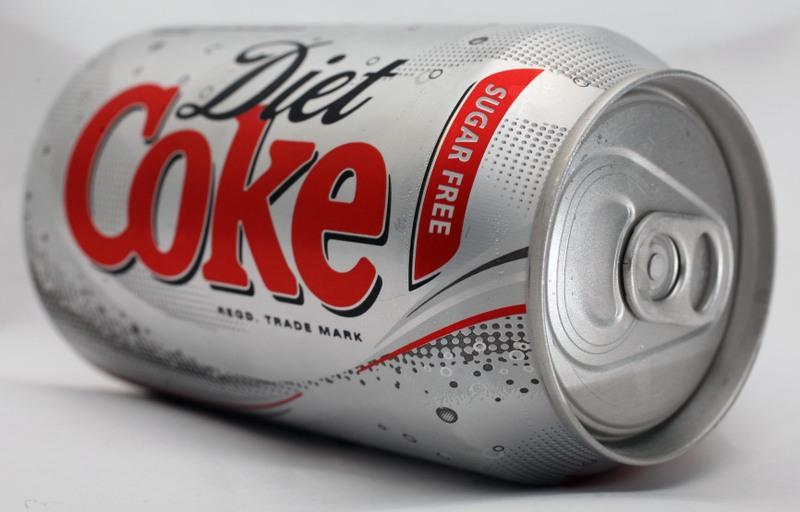 Diet soft drinks are low in carbohydrates, but they have no positive nutritional value either - not to mention the potentially harmful long-term effects of artificial sweeteners etc. Water is always the best choice for hydration. If you really must have some flavor, drink small quantities of fresh fruit juices or add a squeeze of lemon/lime to your water. Ultimately though, drink water. Lots of it.
No comments:
Post a Comment